
The UK Heathland Course I Wish Existed
Started with the Old
Exported, interpreted
A bolder heathland
It all started with The Old Course, the game of golf that is. A version of the game, colf, was imported via the shipping lanes from The Netherlands to the Fife coast. Colf, or “club”, was played in fields, alongs streets and on frozen Dutch canals in winter. Golf was played on the land next to the sea. Eventually, the target was a hole, down the avenues of short grass the sheep maintained for food, but avoiding the sandy holes they dug to shelter from the winds. Old Tom Morris took over from there.
Golf is a game of import and export. Charles Blair McDonald studied the Old Course, and other spin offs which evolved on the coasts of Scotland. He took his interpretations home to the United States and forged his own templates, eventually becoming the self-proclaimed “Father of American Golf Course Architecture”. He created, mostly alongside Seth Raynor, the masterpieces of Chicago Golf Club, The Lido, National Golf Links of America, Piping Rock, The Creek and Yale, amongst others.
CBM delivered a more ‘man-made’ version than the sheep (and Old Tom) created in Scotland - bigger, bolder, straighter lines, geometric shapes, the land moulded to the course, rather than the other way round.
Similarly, the game on sand remained, with the coastline traded for Heather. The links of Scotland moved south, to become the Heathlands. Tom Dunn the famed exporter this time, creating Woking Golf Club in 1893, the first ‘Heathland’.
The Heathlands course I wish existed is a combination of the two. The templates of C.B. McDonald; the redan, the road hole, the cape et al, but set amongst the heather and the pines. An export of the land & interpretation. It all started with The Old Course.
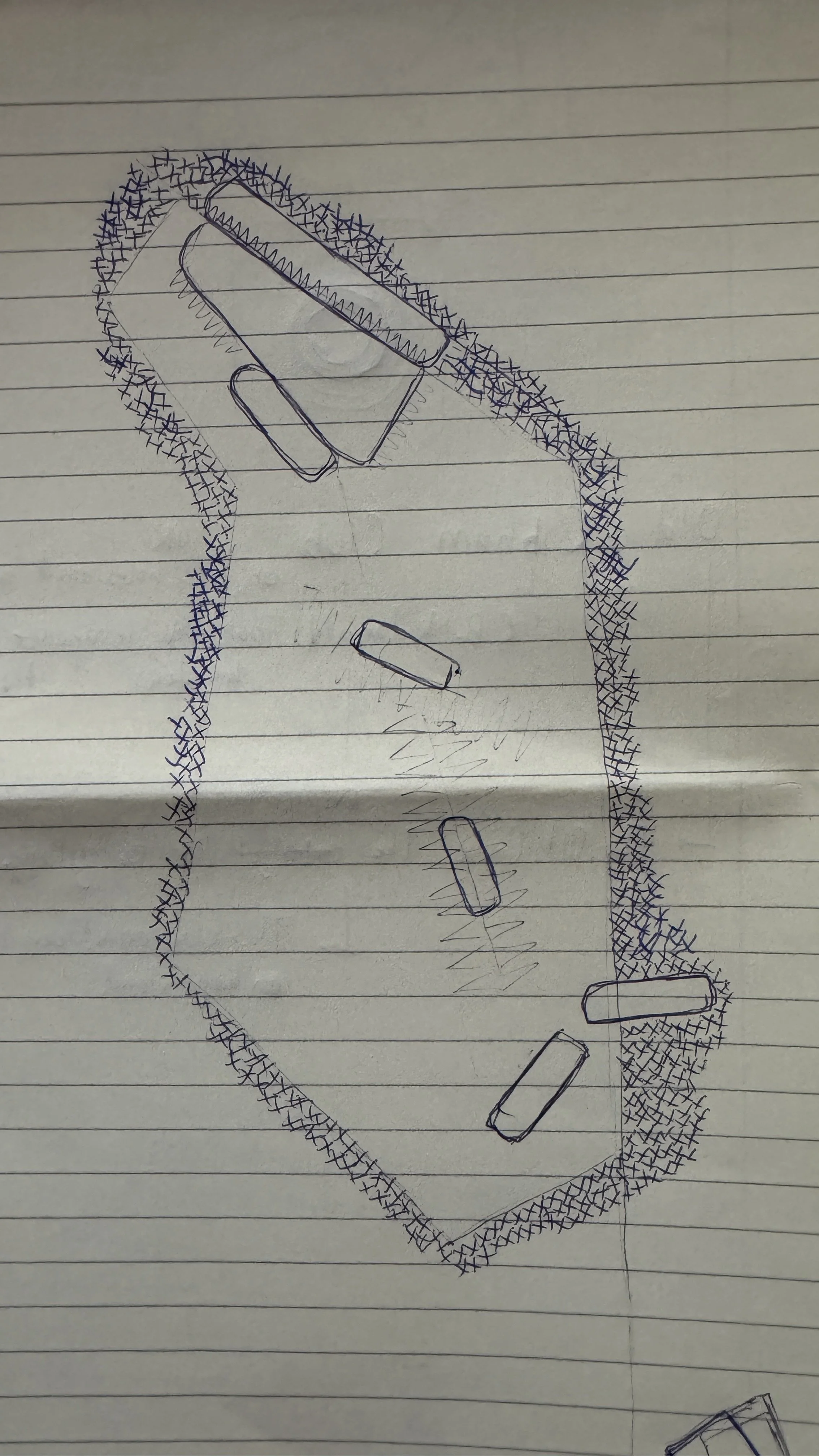
An Interpretation of The Heathland Road Hole, C.B. McDonald Style